
When comparing dynamic vs static QR codes, the primary distinction comes down to flexibility and control. A static QR code hardcodes your destination directly into its pixel pattern, meaning you can never edit it once printed. In contrast, dynamic QR codes direct scanners to a flexible short URL, letting you swap out the target destination anytime and monitor real-time scan statistics without reprinting a single sheet.
How Static and Dynamic QR Codes Actually Work
Behind every black-and-white grid is encoded data. How that data is routed defines whether the code is static or dynamic.
Static QR Codes
Static codes embed data directly into their graphic matrix. If you encode a website address, Wi-Fi password, or plain text snippet, that exact string becomes the barcode pattern. Because the data lives inside the pattern itself, scanners process it offline without needing an intermediate server. The catch? The denser the encoded data, the more complex and cluttered the code pattern becomes, which can hurt readability at smaller sizes.
Dynamic QR Codes
Dynamic codes take an indirect path. Instead of embedding a long final link or a heavy file, they embed a short redirection URL managed by a platform like Swoo.se. When a customer points their camera at the code, they hit that short URL first, which logs the scan and instantly redirects them to your target page. Because the code only ever holds a concise redirect URL, the grid pattern stays clean, open, and easy for any smartphone camera to scan swiftly.
Direct Comparison: Feature by Feature
Choosing the wrong format can lead to costly reprinting mistakes or lost campaign data. Here is how static and dynamic formats stack up side by side:
| Feature | Static QR Codes | Dynamic QR Codes |
|---|---|---|
| Editable Destination | No, permanent once generated | Yes, edit links anytime |
| Scan Analytics | None | Full data (time, location, device) |
| Pattern Density | Grows denser with longer URLs | Clean and consistent matrix |
| Internet Requirement | Scans work offline for local data | Requires internet connection |
| Best For | One-off links, Wi-Fi, personal vCards | Marketing, packaging, menus, retail |
| Reprinting Risk | High if links break or change | Zero; update the URL in your dashboard |
Static options shine when the destination is fixed for life. For commercial use, however, dynamic codes eliminate the risk of dead links.
The Power of Post-Print Editing
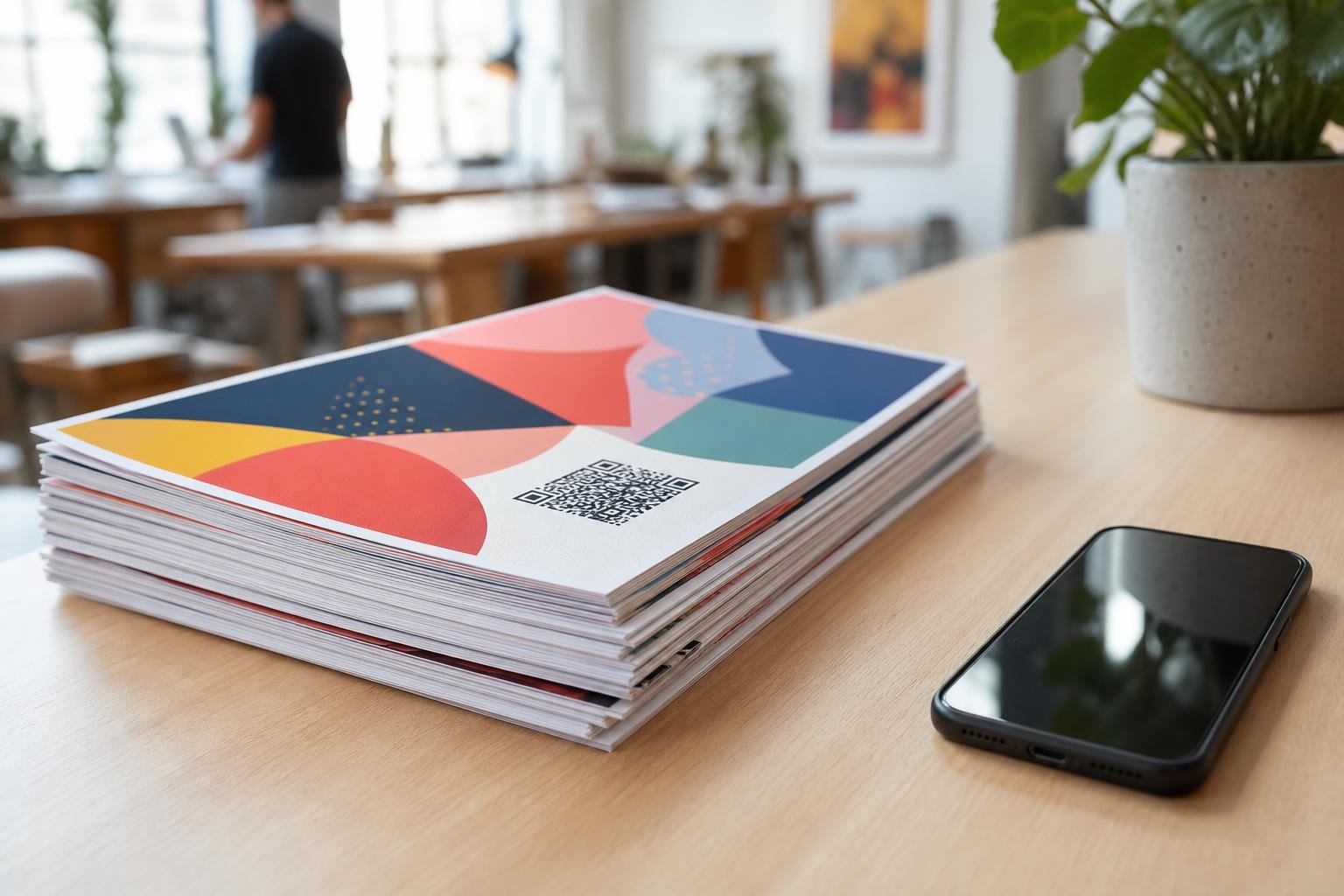
Imagine printing thousands of product labels, direct mail postcards, or retail window decals, only to realize the link has a typo or the seasonal promotion has ended. With static codes, your only choice is tossing that inventory into the recycling bin.
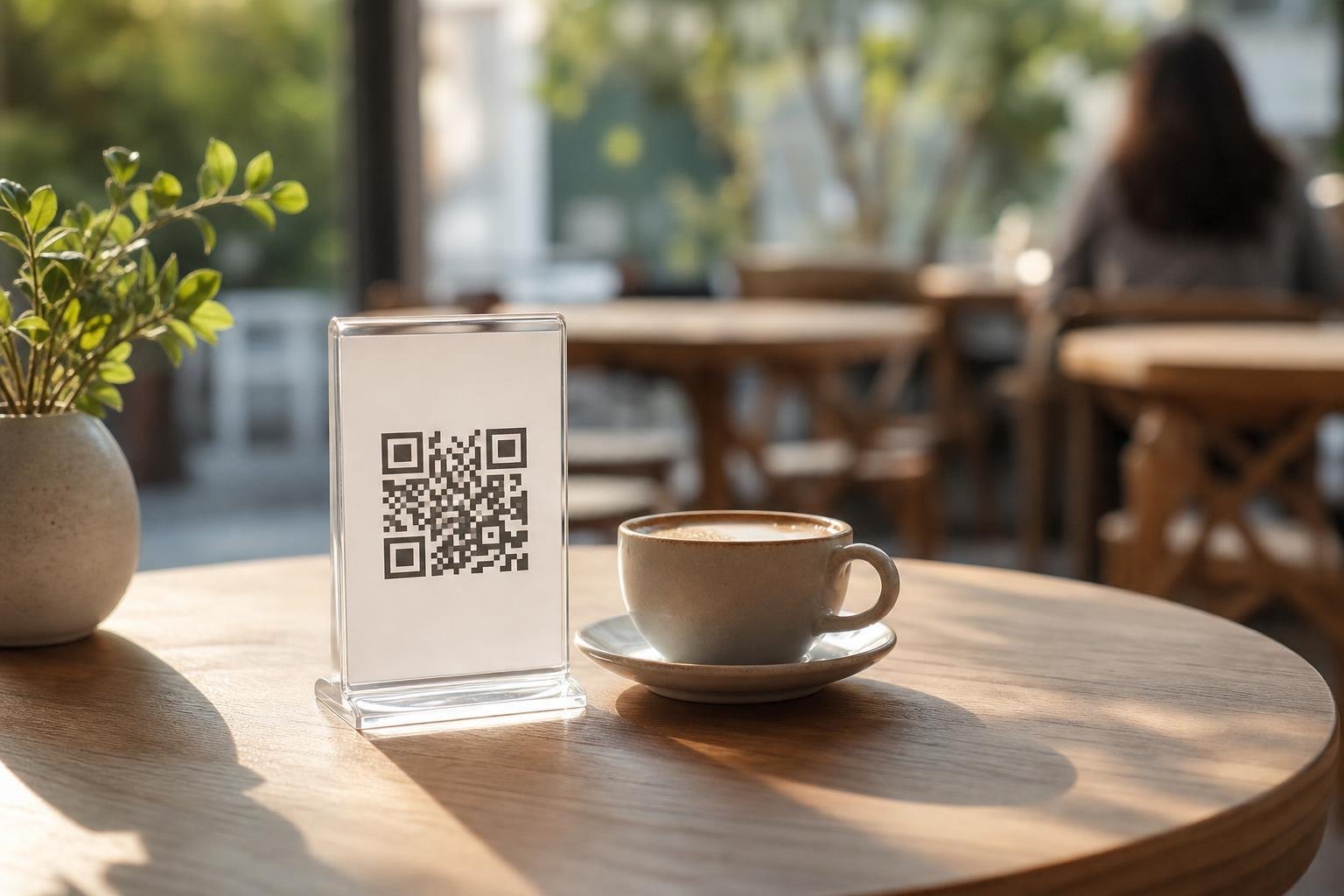
Using flexible dynamic QR codes completely removes this headache. You can log into your management dashboard at any time, change the destination URL, and point existing printed materials to an entirely fresh campaign.
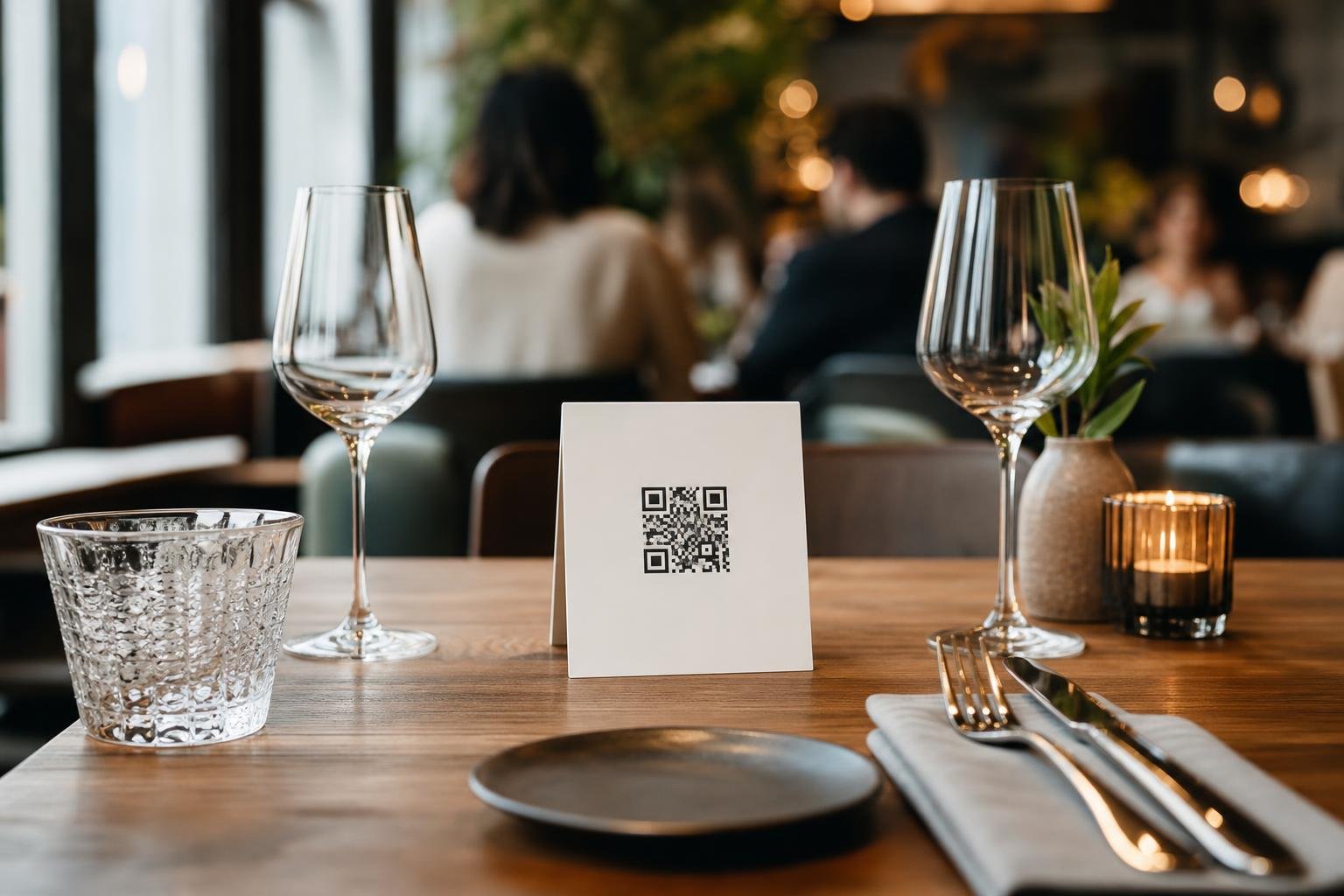
- Seasonal Menus: Restaurants can update an existing table decal from a lunch menu to a dinner menu or holiday special without replacing the acrylic stands.
- Retail Displays: Change a store display code from a product launch video to a clearance sale landing page.
- Event Promotions: Event organizers can switch a promotional poster from an early-bird ticket checkout to an agenda page once tickets sell out.
Measuring Performance with Scan Analytics
You cannot optimize marketing that you cannot measure. Static codes offer zero visibility: you will never know if two people scanned your sign or two thousand.
Dynamic codes provide concrete engagement metrics. By monitoring your traffic through QR code analytics, you can see exactly when and where your audience engages with your brand.
What Scan Tracking Uncovers
- Total vs. Unique Scans: Understand overall engagement compared to individual audience reach.
- Geographic Data: Identify the cities and countries where your print materials drive the most interaction.
- Device and Operating System: Know whether your visitors use iOS or Android so you can tailor your landing pages accordingly.
- Campaign Timing: See the specific days of the week and hours of the day when scans peak, helping you time future promotional pushes.
Design and Scan Reliability
A QR code only works if customers actually notice it and scan it. Complex static codes with hundreds of characters create dense, tightly packed modules. If printed small or viewed from an angle, phone cameras often struggle to focus on them.
Dynamic codes keep their data payload tiny. Because the embedded URL is consistently short, the visual grid remains spacious and clean. This lower visual complexity gives you immense freedom when crafting a branded look via custom QR code design.
Designing for Visual Impact
- Vector Formats: Download in SVG or PDF alongside high-resolution PNG files to ensure crisp edges at any print dimension, from business cards to roadside billboards.
- Brand Colors and Logos: Add brand colors and place your business logo right in the center module without triggering scan errors.
- Call-to-Action Frames: Surround your code with bold frames like "Scan for Menu" or "Scan for 10% Off" to guide the user's eye and drive clicks.
When to Use Static vs Dynamic Codes
Neither format is universally superior; each solves distinct logistical and operational challenges.
When to Pick Static QR Codes
- Office Wi-Fi Access: Give guests instant network access without logging into an external dashboard.
- Direct WhatsApp or SMS: Prompt a pre-filled chat message directly to your service desk.
- Personal Details: Store plain text notes or personal phone numbers on personal possessions.
When to Pick Dynamic QR Codes
- Product Packaging: Run campaigns that evolve over months or years across thousands of physical items.
- Marketing Collateral: Track ROI on flyers, brochures, vehicle wraps, and trade show banners.
- Restaurant Menus and Digital Ordering: Keep pricing, menu items, and operating hours up to date on the fly.
- App Downloads: Point users to an intelligent redirection page that detects their device and routes them to the proper app store.
Frequently asked questions
Do dynamic QR codes expire?Static QR codes never expire because their data is permanent. Dynamic QR codes stay active as long as your account and link routing remain live on your generator platform.
Can I convert an existing static QR code into a dynamic one?No. Because a static code's pixel pattern is fixed to a hardcoded address, you cannot change its underlying structure. You must generate a new dynamic code to gain editing and tracking features.
Will changing the link in a dynamic QR code alter its visual pattern?Not at all. The visual grid points to a short URL that stays identical. You can update the final destination URL an unlimited number of times without changing the printed image.
Do customers need a special app to scan dynamic QR codes?No. Standard native camera apps on modern iOS and Android smartphones read both static and dynamic codes instantly without downloading any third-party scanner software.